






LED headlight bulbs are legal when they are fitted as the manufacturer intended and meet local rules — but a bulb that is legal in one market or one car is not automatically legal everywhere. The key distinction is factory-fitted versus aftermarket retrofit: most markets are strict about retrofitting LED bulbs into halogen housings. Always check your local regulations before buying. This article is general information, not legal advice.
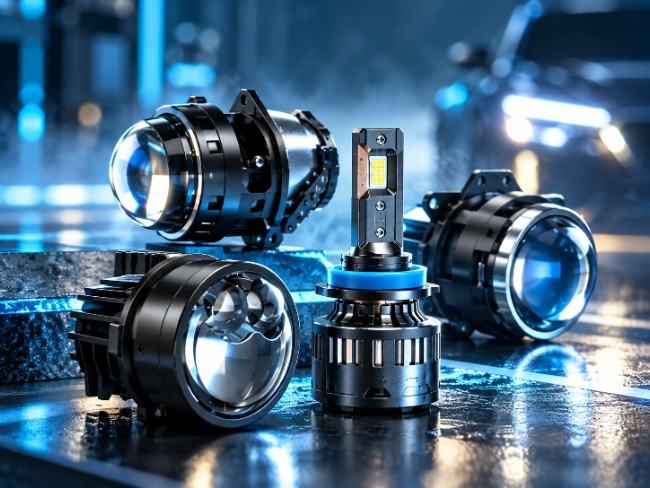
The core distinction: factory-fitted vs retrofit
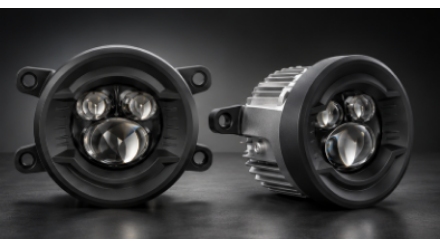
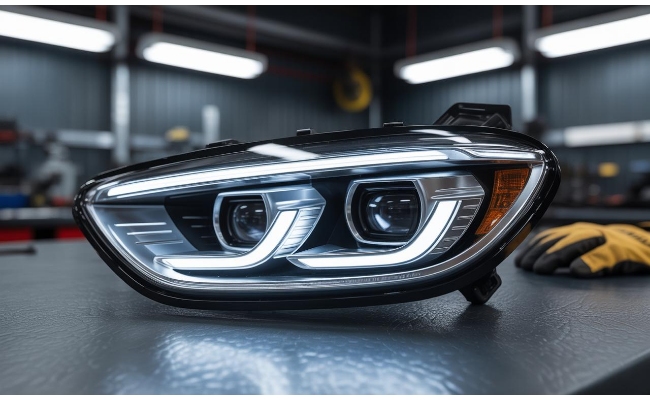
- Factory-fitted LED headlights are designed, tested and type-approved as a complete system: lamp, lens, housing and electronics together. They are legal in the markets they were approved for.
- Aftermarket LED bulbs fitted into a halogen housing are a different case. The housing was designed for a halogen filament, not an LED chip, so the beam pattern changes. Many markets treat this as a modification that needs its own approval — and many retrofit bulbs have none.
ECE rules (Europe and many other markets)
In ECE markets, headlights are approved under regulations such as ECE R112 (headlamps) and R37/R128 (light sources). A retrofit LED bulb needs to be approved for the specific lamp it goes into; a general approval for the bulb alone is usually not enough. Enforcement varies by country, and roadworthiness inspections in several European countries now check headlight type and beam pattern closely.
DOT/SAE rules (United States)
In the US, Federal Motor Vehicle Safety Standard 108 (FMVSS 108) governs lighting. Headlights must be certified as a complete assembly, and replacing a halogen bulb with an LED bulb in the same housing generally does not meet the standard unless the whole assembly is certified for it. State inspections and enforcement vary, but the federal rule is strict on paper.
Common misunderstandings
- "This bulb has ECE/DOT certification, so it is legal." A certificate for the bulb alone does not make the bulb-plus-housing combination legal. Ask what exactly was certified.
- "It passed the inspection once, so it is fine." Inspections check the beam pattern on the day; a bulb that passes once can still be non-compliant in a stricter check or another market.
- "Brighter is safer, so it must be allowed." Brightness without beam control creates glare, which is itself a safety problem and a common reason for failing inspection.
- "Everyone sells them, so they must be legal." Sale and road use are different things in most markets.
What to ask a factory before ordering
- Which certifications does this product hold, and for which markets?
- Is the certification for the bulb alone or for the bulb in a specific housing?
- Can the factory provide copies of the certificates and test reports?
- Has the product been tested for beam pattern in the housings your customers use?
- What does the factory recommend for customers in markets with strict retrofit rules?
FAQ
Can I legally replace halogen bulbs with LED bulbs?
It depends on your market and your car. In many markets, a direct swap into a halogen housing is not road-legal without approval for that combination. Check local rules first.
Does an E-marked LED bulb guarantee legality?
No. An E-mark shows the bulb itself passed a test. Legality depends on the bulb, the housing and the market together.
What happens if my headlights fail inspection?
Usually you must refit the original bulbs and pass a re-test. In some markets there can be fines for driving with non-compliant lighting.