




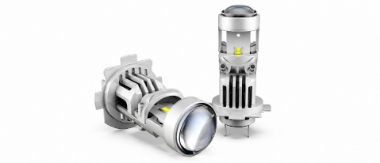


An auto parts shop should stock LED headlights by socket coverage first: carry the most common sizes (H7, H11, H4, 9005, 9006) before anything exotic, then add one mid-range and one premium option per size, plus matching fog lamps. Start narrow, track what sells, and expand only on proven demand — a shelf full of slow sizes is dead money.
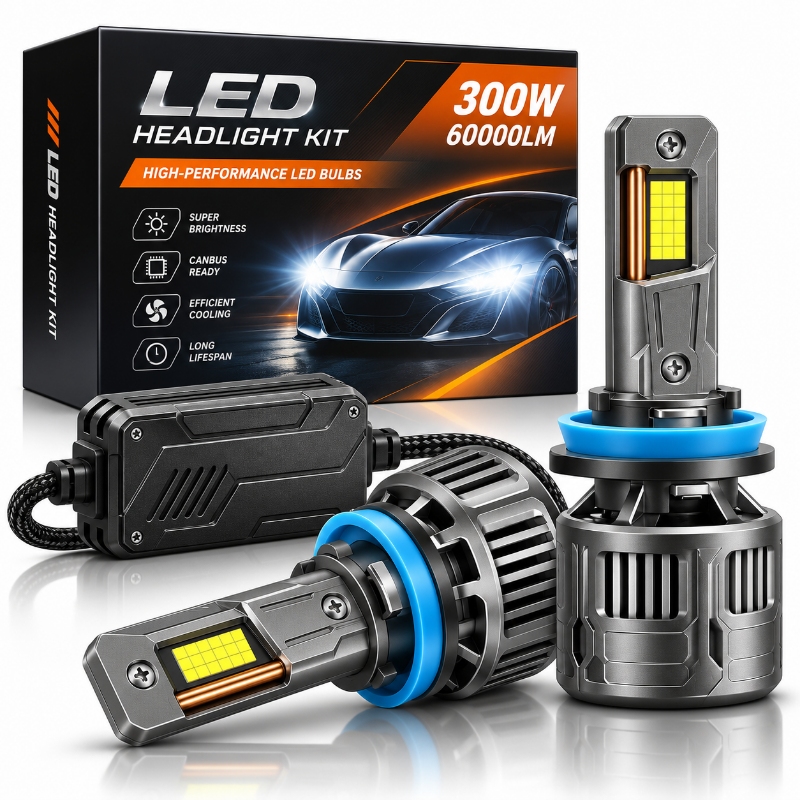
Start with socket coverage
Most of a shop's headlight sales come from a handful of socket sizes. Stock these first, in depth, before adding rare sizes:
- H7 — the most common low-beam size in Europe and many Asian cars.
- H11 — very common in Japanese and American cars, often for low beam and fog lamps.
- H4 — dual-filament (low and high in one bulb), common in older cars and motorcycles.
- 9005 / 9006 — common high-beam and low-beam sizes in American-market cars.
- H1 — still common in older European cars and some fog lamps.
For each size, carry at least two options: a value option and a mid-range option. Add a premium option only once the size proves it sells.
Tier by price, not by brand count
Three price tiers are enough for most shops:
- Entry: the price-led option for budget customers. Keep the range small — one good value bulb per size.
- Mid-range: the workhorse. This is where most sales land: solid beam pattern, good cooling, a warranty you can stand behind.
- Premium: for enthusiasts and for customers who ask for the best. Projector lenses and high-output bulbs sit here.
Too many brands at the same price point confuse customers and split your sales. One strong option per tier per size is better than five similar ones.
Pair headlights with fog lamps and lenses
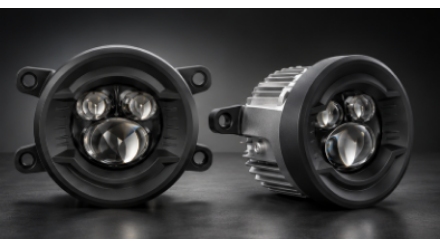
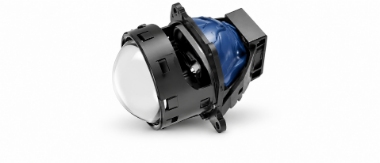
Customers who upgrade headlights often buy fog lamps at the same time, and some move on to projector lenses later. Stock the matching fog lamp sizes (commonly H11, H8, and 2-inch, 2.5-inch and 3-inch round lamps) alongside the headlights, and keep one or two popular projector lens sizes for the upgrade customer. A shop that sells the whole lighting set earns more per customer than one that sells a single bulb.
Avoid dead stock
- Don't stock every size on day one. Start with the five sizes above and add sizes only when customers ask for them twice.
- Watch the seasons. Headlight sales rise in autumn and winter, when nights get longer. Order ahead of the season, not in the middle of it.
- Track sell-through per SKU. If a size has not sold in three months, stop reordering it and put the shelf space into a size that moves.
- Ask your supplier for their bestsellers. A factory that sells to many shops knows which sizes move fastest — ask for that list before your first order.
FAQ
How many SKUs should a small shop start with?
Around 15–20: the five main sizes in two tiers each, plus a few fog lamp sizes. That covers most walk-in customers without tying up too much cash.
Should I stock CANbus decoders too?
Yes, if you sell to European car owners. Flicker and dashboard errors are the most common post-sale complaint, and a decoder on the shelf turns a return into a sale.
What about projector lenses — do shops stock those?
Larger shops and upgrade specialists do. Start with one popular size (3-inch Bi-LED is a common choice) and add more only if customers ask.